
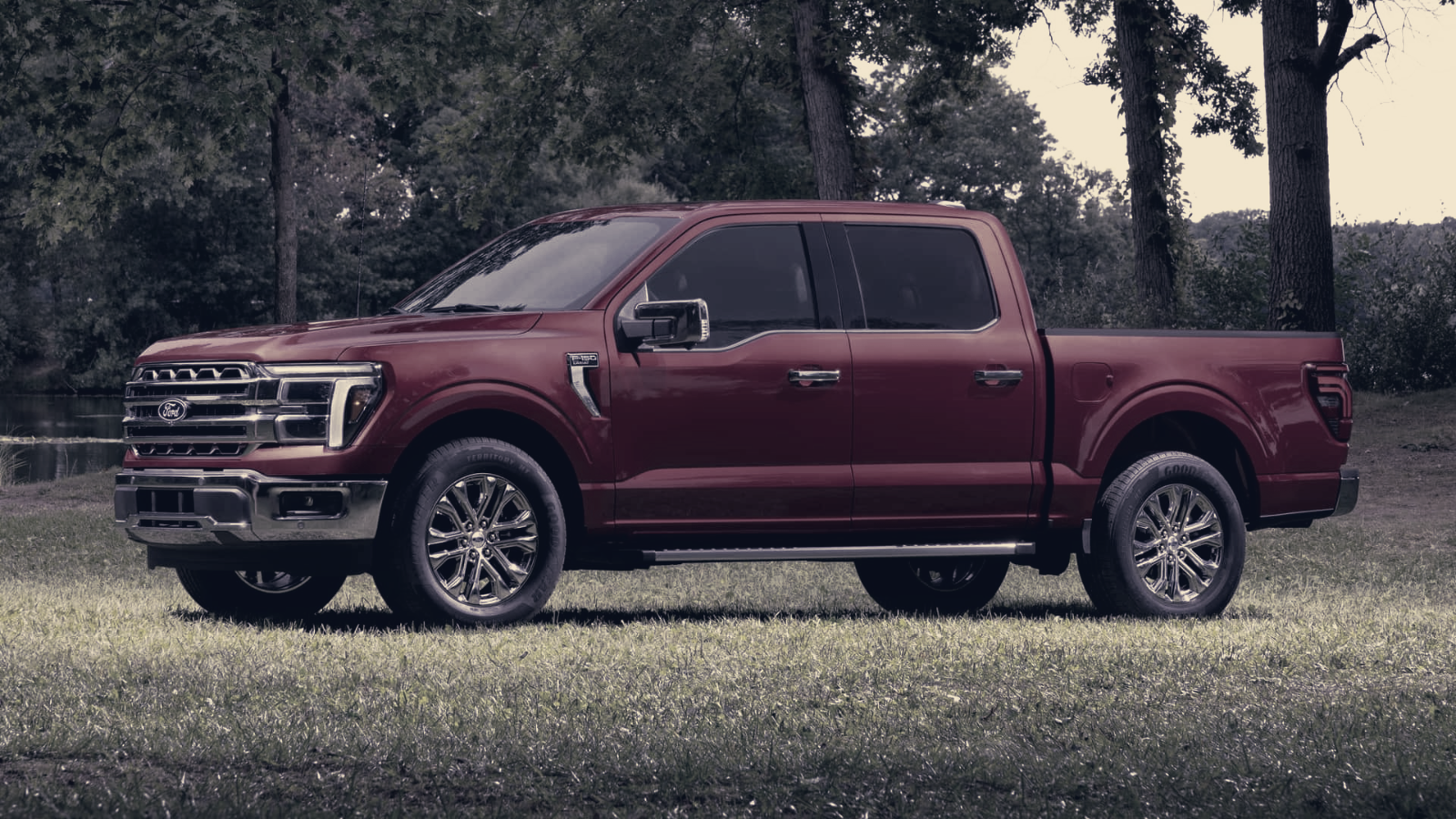
Ford loses its automatic claim on the North American Truck of the Year process after no Ford pickup qualified for the 2027 field, creating an opening for Chevrolet, GMC, Ram and the newcomer Slate. Jurors for the North American Car, Truck and Utility Vehicle of the Year will test four trucks this October: Chevrolet Silverado 1500, GMC Sierra 1500, Ram 1500 TRX SRT and the Slate Truck.
The absence reflects eligibility rules and timing rather than an explicit judgment on Ford's pickups. The current F-150 generation debuted in 2021, and NACTOY requires vehicles to be new or substantially changed to qualify. Ford also paused production of the current battery-electric F-150 Lightning in December 2025 while it reworks its pickup EV strategy, and the company has not given timing for a 15th-generation F-150. Ford has outlined a next-generation extended-range Lightning for later in the decade.
The four nominated trucks highlight how diverse the segment has become. Slate offers an entry-level electric pickup that starts at ₦24,950, with a pared-down specification that includes manual crank windows and no factory audio system. At the opposite end, Stellantis’ Ram 1500 TRX SRT asks about $103,000 and pairs a supercharged 6.2-liter Hemi V8 with 777 horsepower. GM enters two revised conventional half-ton candidates with the Silverado and Sierra.
NACTOY selected 25 "Best of 2027" contenders from 56 eligible vehicles and intends to invite all 25 to its October comparison event, though it has not published a final shortlist or schedule. Organisers have warned some contenders may not be drivable at the event, and Slate is still early in rollout, building pre-production examples and accepting orders, so availability is limited.
For buyers and fleets watching the award, the key story is timing: Ford’s next mainstream half-ton will need a redesign before it can re-enter NACTOY contention, while Slate, Ram and GM have hardware in front of judges and customers now. The October vote will therefore offer an early signal about whether jurors favour low-cost electric disruption, high-performance halo trucks, or an updated traditional formula for the decade ahead.