
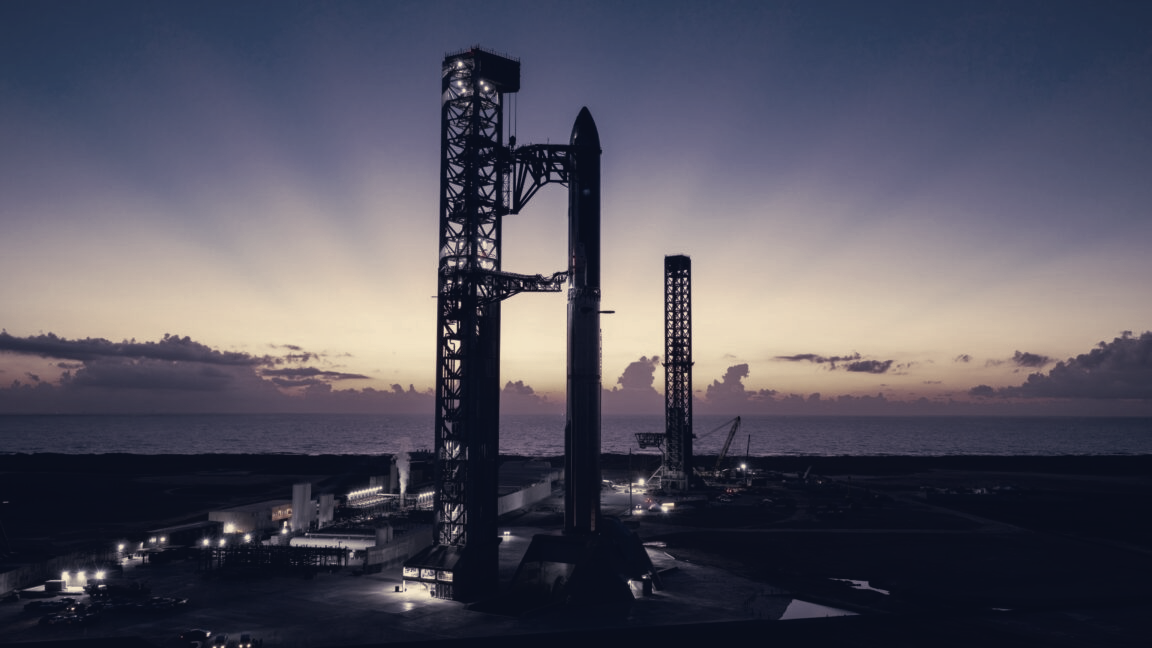
Satellite operators face a near-term reshuffle after SpaceX announced plans to wind down Falcon 9 commercial launches, possibly within the next two or three years. That timetable has opened a dash for alternative launch capacity and prompted emerging providers to reposition themselves to capture business that may no longer go to Falcon 9.
Industry startups are already signaling how the market may change. Firefly has said it expects launch prices to rise, arguing customers had become accustomed to the Falcon 9’s combination of rapid service, high reliability and low cost. That expectation frames the central commercial tension: how much of Falcon 9’s volume and price discipline other firms can absorb while scaling operations.
The shifting demand arrives amid a scatter of other schedule changes. French startup HyPrSpace pushed the inaugural flight of its Baguette One suborbital rocket to 2027. The company describes the vehicle as 10 meters tall, single stage, and able to carry up to 300 kg. HyPrSpace says the rocket uses a hybrid propulsion system combining liquid oxygen with solid polyethylene fuel.
For satellite operators the immediate requirement is pragmatic: secure upcoming launch slots and hedge against tightening capacity. For newer launch companies the opportunity is paired with risk, since absorbing commercial demand will require increased flight rates and reliable service while costs may no longer be suppressed by Falcon 9 pricing. Watch the next two to three years for shifting contracts, schedule updates, and any evidence that alternative providers can replicate both the cadence and cost structure that customers came to expect.