England and Wales dairy farms produced 240 million fewer litres of milk over the summer months, a decline researchers estimate cost the sector more than £83m. The shortfall occurred between May and August and, the Energy and Climate Intelligence Unit found, amounted to roughly four fewer days of milk deliveries than would normally be expected.
The ECIU linked the drop to the UK’s hottest recorded summer in 2026, which it said produced poor grazing, stunted forage harvests and heat strain on livestock. The unit described the season as a run of five heatwaves that forced farmers to change feeding schedules and move animals off pasture sooner than planned.
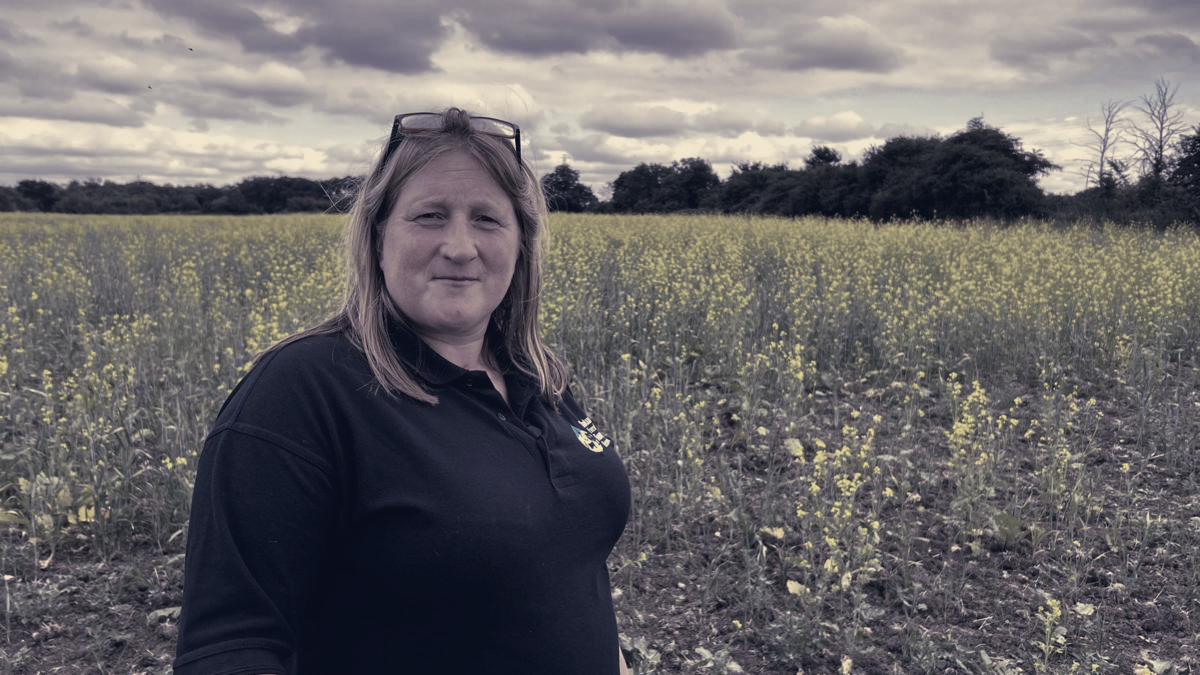
Farmers began using winter feed earlier to sustain milk yield and keep cattle under cover. Debbie Wilkins, a dairy and beef farmer in Prior's Norton, Gloucestershire, told researchers, "The costs pile up when you have to bring the cows indoors and the loss of milk production compounds the issue." The ECIU noted that some producers have already started feeding cattle what would normally be reserved for winter.
Tom Cantillon, a senior analyst at the ECIU, emphasised the vulnerability of milk, calling it an "unforgiving product in farming" because it cannot be stockpiled. He warned about the longer fallout, saying, "The costs don't stop now that the rain has come," and, "A second bad year for grass has pushed farmers into their winter forage early, with feed prices to follow."
Despite the mid-year shortfall, the ECIU said total UK milk production for 2026 could still finish near record levels because a stronger supply earlier in the year partially offset the summer decline. The analysis also flagged structural trends in the sector, noting that consolidation, mechanisation and economies of scale have lifted output even as herd numbers fall.
The ECIU recommended investment in climate resilience on farms, including more shade for animals, tree planting and securing water supplies to lessen harm from increasingly frequent extreme heat. Farmers and policymakers will now have to weigh higher feed bills and depleted winter reserves against the chance that annual production may still finish close to recent highs, while preparing for harder-to-recover-from future heatwaves.