
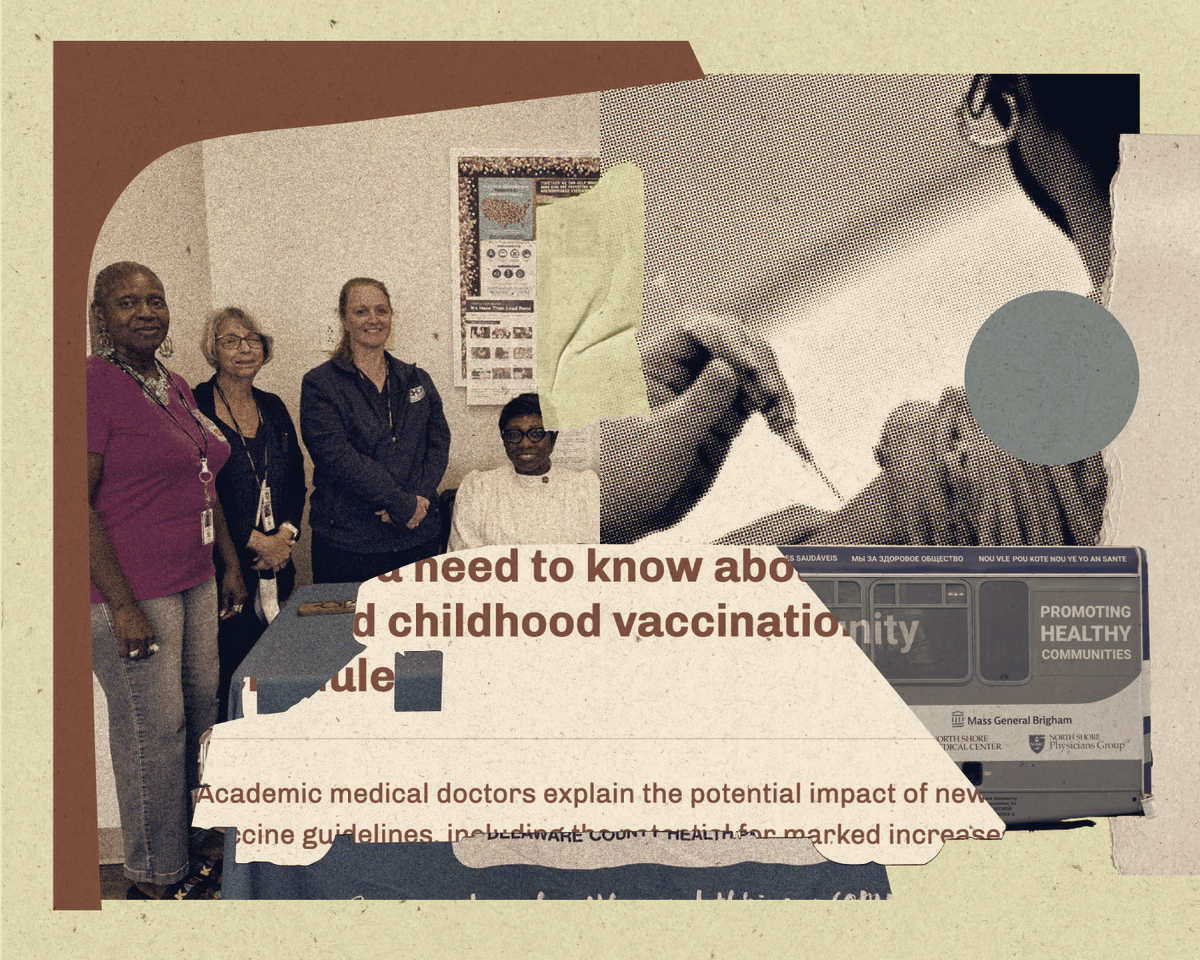
Who gains: local health departments and school systems now carry the burden of stopping vaccine-preventable outbreaks as federal guidance weakens. In Yeadon, Pennsylvania, district and county officials turned an exclusion day into a clinic, vaccinating 42 middle and high school students against tetanus, pertussis, meningitis and other diseases so pupils could return to class.
The Delaware county health department runs a wider back-to-school effort that combines a 33ft mobile vaccine clinic, school partnerships and public vaccination data to prevent immunisation rates from slipping. Lora Werner, director of the county health department, said, "We’ve been doing this for a couple of years now, and it’s really effective." The campaign is driven in part by a spike in measles: as of 14 September, Pennsylvania recorded 693 cases this year and four deaths.
The local push comes after the nation’s top public health official, Robert F Kennedy Jr, spent his tenure publicly questioning vaccine safety and efficacy. That trajectory culminated in a presidential executive order dubbed the "gold standard childhood vaccine recommendations," which proposes reducing the number of universally recommended childhood vaccines from 17 to 11 and splitting the combined measles, mumps and rubella shot into three separate injections. The order was issued without new scientific evidence, and vaccine manufacturers have said they do not plan to produce separated formulations.
Clinicians and vaccine experts warn the policy move and the secretary’s statements have amplified hesitancy. Paul Offit, director of the Vaccine Education Center at Children’s Hospital of Philadelphia, noted the MMR vaccine has been used safely in the United States for about 60 years and criticised public remarks made by the health secretary, saying, "Could he be more dangerously irresponsible?" Andrew Racine, president of the American Academy of Pediatrics, said the professional community must provide an evidence-based schedule parents can rely on, and called measles "a canary in the coal mine" for other preventable diseases.
CDC data show kindergarten vaccine exemptions for the 2025-26 school year reached a record high while vaccination rates declined from the year before. States and local authorities have responded by reclaiming guidance and delivery: some legislatures removed references to the CDC, dozens of states announced rejection of federal guidance in January, and 30 states now report relying on a source other than the CDC for vaccine policy.
Doctors, state health departments and advocacy groups are scaling mobile clinics, school-based programmes and public information campaigns to counteract misinformation and keep routine immunisations on schedule. With federal recommendations in flux, the immediate trajectory is a patchwork of state and local initiatives attempting to preserve vaccine coverage and prevent further outbreaks.