
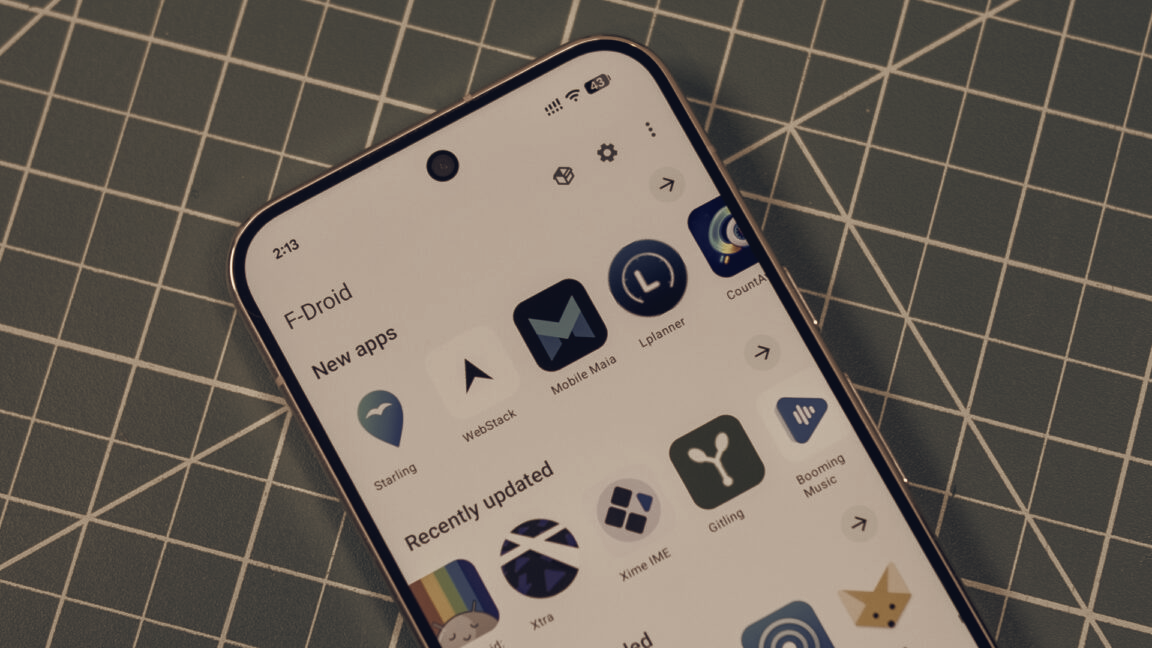
Android users who rely on F-Droid now face a noticeably different experience, the project rebuilding its app store from the ground up and rolling out a redesigned user interface alongside a smoother install process. The update is being presented as the most significant revision the project has produced in ten years, swapping the old store shell and install flow for a fresh codebase and updated client experience.
The core, visible changes are a new interface and an overhauled installation path, which together aim to reduce friction when users find and install apps. A rebuilt UI can change how people discover apps, and an improved install sequence typically lowers failure rates and support overhead. For users who prefer alternatives to the default Android ecosystem, those usability gains matter as much as the catalogue on offer.
For the maintainers and contributors who keep the store running, a ground-up rebuild is also a technical reset. Such a rewrite often means modernised internals, clearer maintenance boundaries, and a platform better suited to ongoing feature work. That could shorten the time between future improvements and make it simpler to address bugs, though the project will need to validate those benefits in real-world use.
Developers who publish apps through the store stand to gain from any reduction in install failures, since smoother installs generally translate into fewer support requests and better retention. How broadly those advantages materialise will depend on uptake among the store’s user base and on whether the new client remains stable across the range of devices F-Droid serves.
The overhaul ends a long period without a comparable upgrade for the store. What comes next is straightforward: user adoption, feedback, and the project’s response will determine whether this rebuild reshapes F-Droid’s practical appeal for Android users and the developers who distribute apps through it.