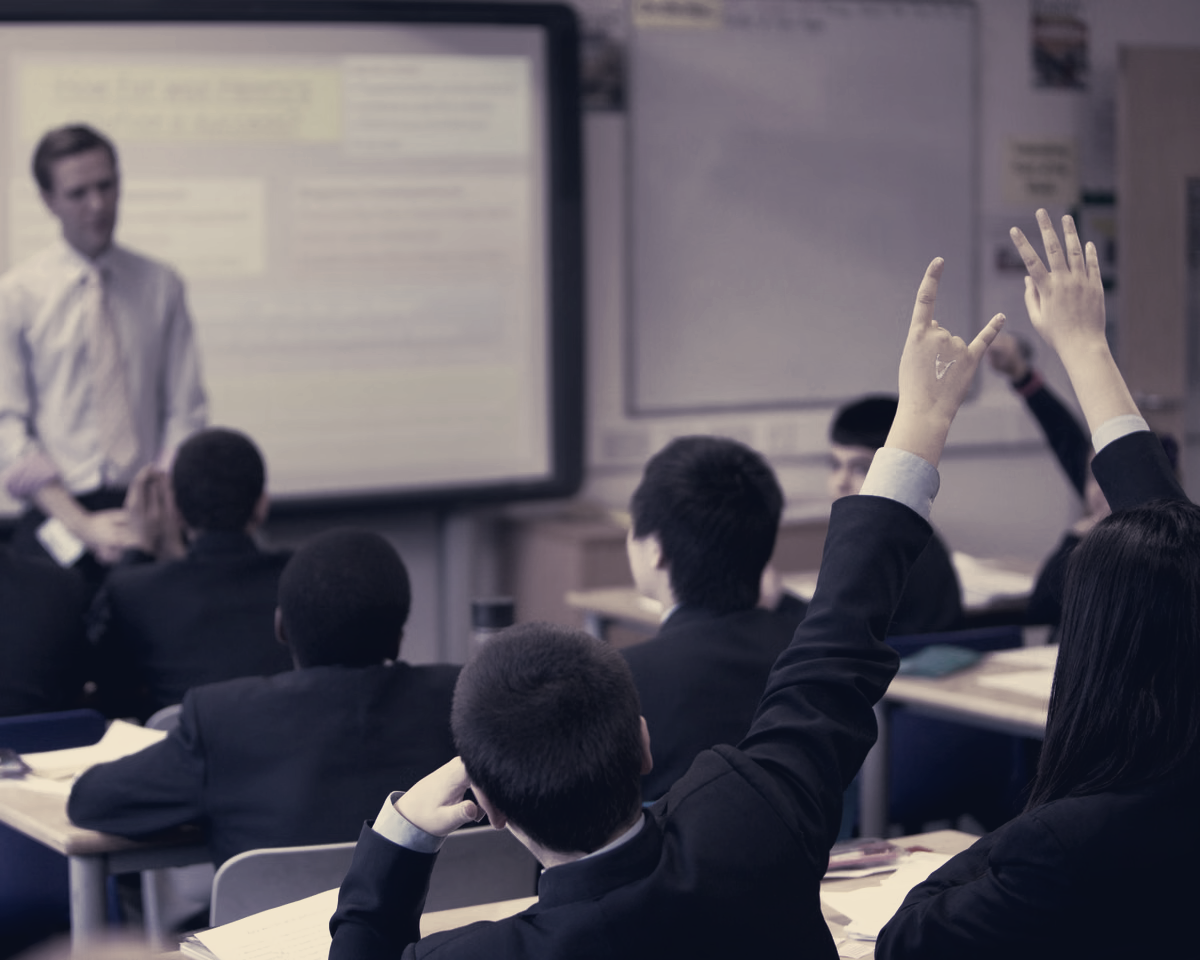

England’s schools emerge with a clear short-term win, their 15-year-olds maintaining reading, maths and science performance in the latest PISA comparisons with 90 other countries. That outcome gives teachers, headteachers and pupils tangible evidence that recent classroom priorities, most notably greater emphasis on science, technology, engineering and maths, have delivered at least some of the intended gains.
The results show England outperforming the other UK nations in reading and maths, while Scotland, Wales and Northern Ireland joined England in scoring well in science. The OECD’s last published cycle, in 2022, set a benchmark that this year’s figures do not undercut, easing concerns that young people’s basic capabilities have declined.
The data do not imply everything is fixed. International rankings capture a narrow slice of schooling, and critics remain right to point to problems outside test scores. The concentration on STEM is widely credited for the stronger results, but it came at a cost for arts subjects that were excluded from the favored Ebacc package under the previous government. Labour plans to reverse that exclusion following the review by Prof Becky Francis, who also warned that compulsory GCSE retakes in maths and English have been demoralising for teachers and pupils.
Education secretary Lucy Powell has already signalled policy shifts that mirror Francis’s recommendations, naming modular replacements for high-stakes resits and new technical qualifications, some potentially packaged as GCSEs, among her priorities. Ministers will also need to confront a surge in applications for education, health and care plans that is increasing demand on local services, and address persistent regional attainment gaps that the PISA snapshot does not resolve.
Questions about technology and attention also feature in the international debate. Andreas Schleicher, the OECD’s director for education, has asked whether heavy smartphone use is "compatible with sustained academic attention," echoing academic concerns that screen reliance warrants careful scrutiny. That debate cautions against simplistic explanations for international decline and against uncritical deployments of technology in schools.
England’s results offer cause for measured pride, and they strengthen the case for targeted policies that build on what is working. The policy imperative now is to protect teacher morale and avoid rushed reforms, while prioritising special educational needs provision, closing regional gaps and sharpening the evidence base on technology’s classroom role. Those choices will determine whether this positive signal turns into durable progress.