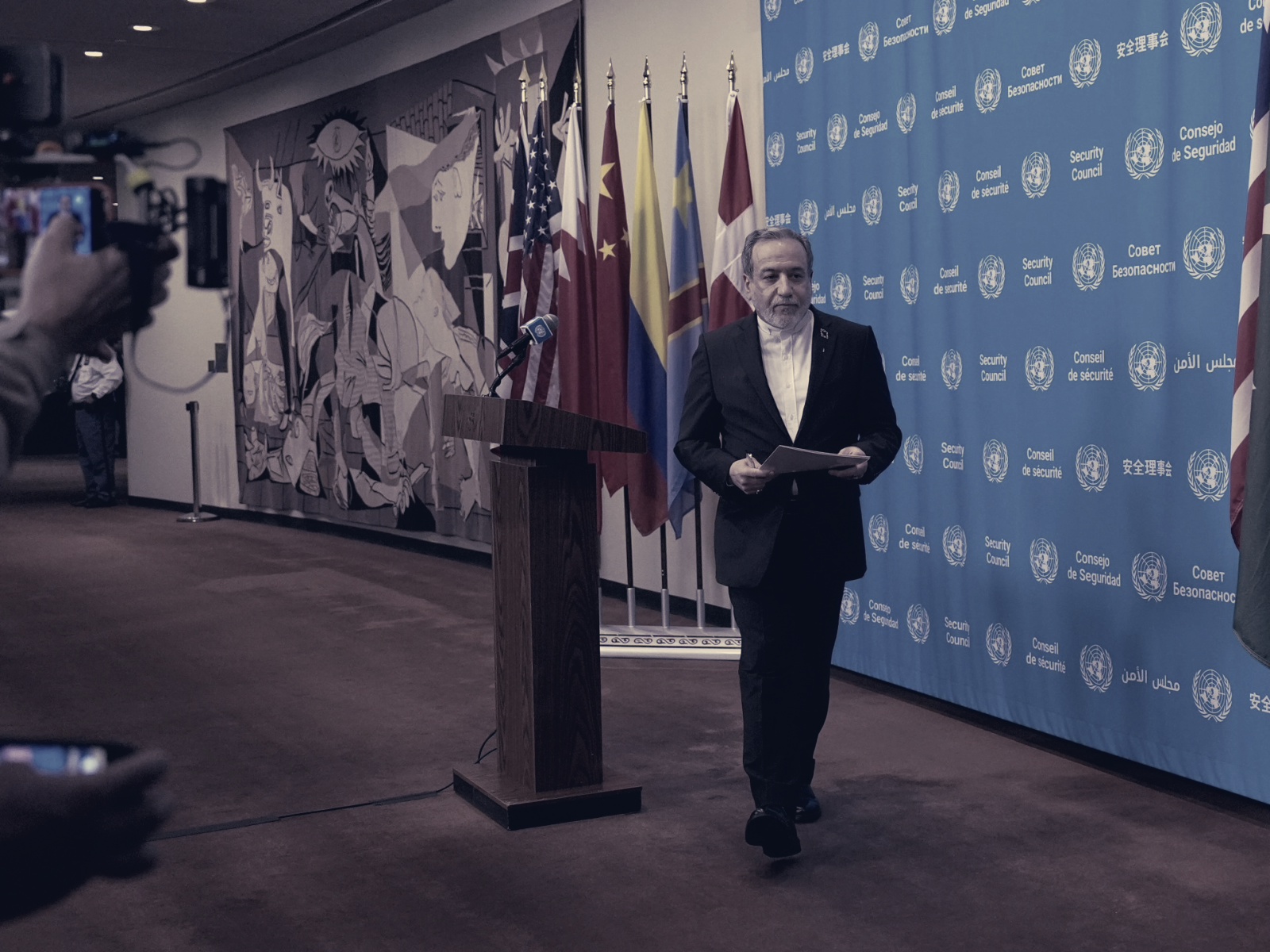
A US acceptance would restore passage through the Strait of Hormuz on the sixth day of a seven-day Iranian timetable, Tehran’s foreign ministry says, and start formal nuclear talks on day seven. Iran’s deputy foreign minister, Abbas Araghchi, unveiled the plan outside the United Nations Security Council and said it has been routed to US officials via Qatari channels.
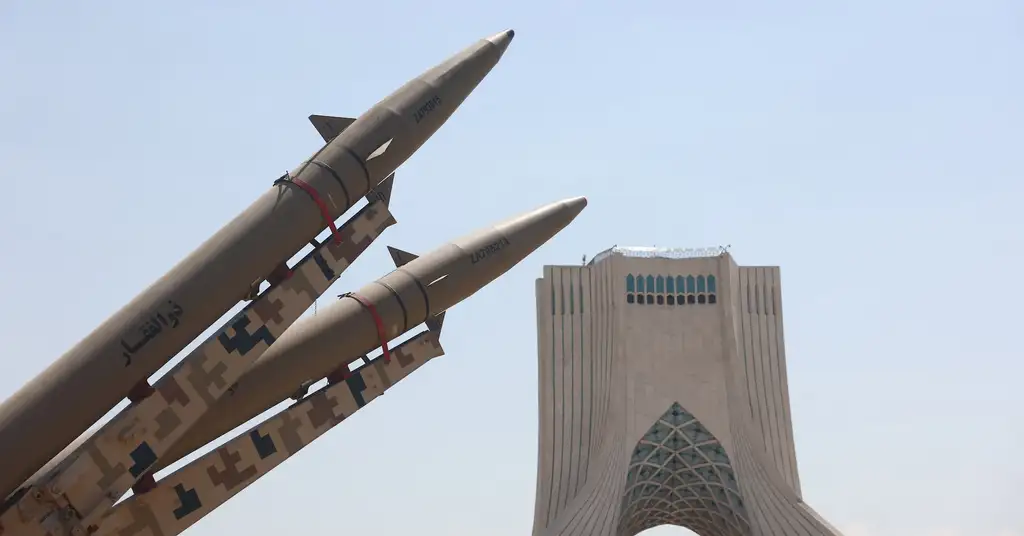
The proposal conditions that schedule on Washington lifting its naval blockade of Iranian ports, waiving sanctions on Iranian oil sales, releasing an estimated $12bn in frozen assets and committing to a regional ceasefire covering Lebanon and Yemen. In exchange, Iran would halt attacks on shipping and restore movement through a waterway that previously carried about a fifth of global traded oil and gas.
Araghchi told reporters, "The seven-day timeline will start as soon as the United States accepts this plan." He added, "The choice now rests with the United States," and warned, "Iran does not accept coercion, threats or intimidation, and Iran will not surrender its sovereign rights under pressure. I can tell you if there is seriousness on the US side to come to a deal and reopen the Strait of Hormuz, everything is now prepared."
The roadmap closely mirrors a memorandum of understanding mediated by Qatar and Pakistan on June 17, which set a 60-day window for talks but collapsed within weeks. After that accord broke down, disputes over who controlled shipping through Hormuz re-emerged and US forces struck coastal and inland Iranian targets in response to Iranian fire.
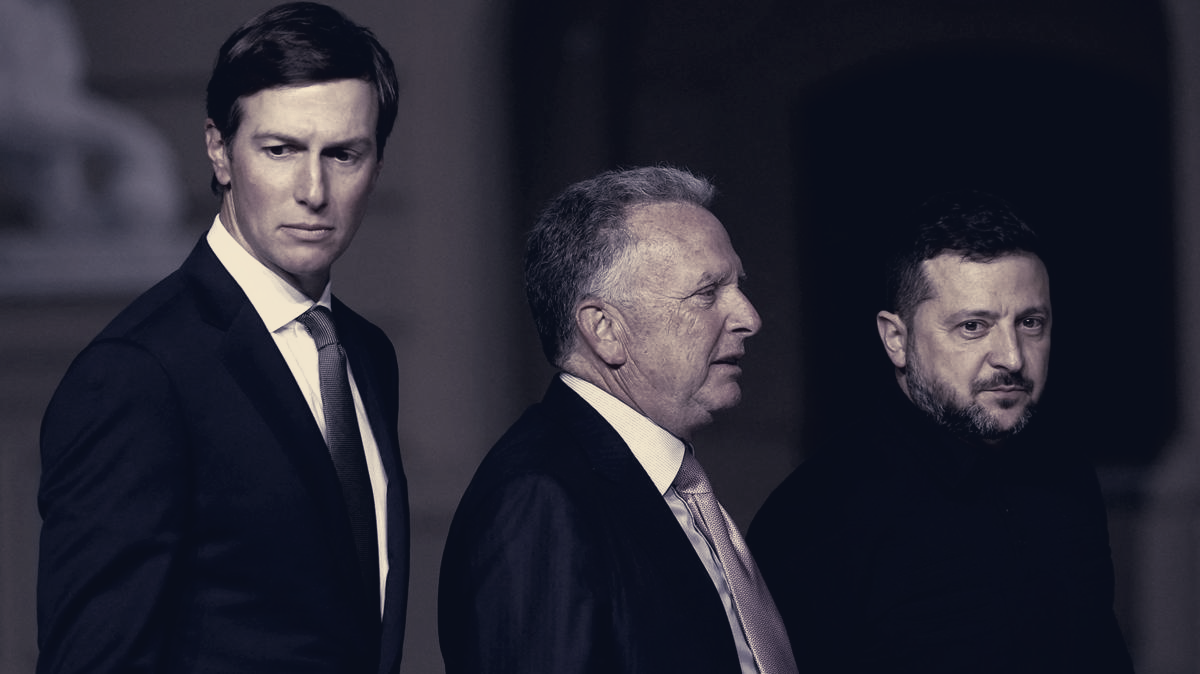
On the sidelines of the United Nations General Assembly, Araghchi held a meeting with US envoy Steve Witkoff. Witkoff described their encounter as "lengthy" and said he hoped it would " prove constructive and promising ."
Iranian President Masoud Pezeshkian told Fox News this week the onus is on Washington to decide whether the war ends. Analysts voiced scepticism about the new offer. Cyrus Schayegh of the Geneva Graduate Institute said Iran aims to preserve the wartime leverage it has gained, while the United States appears reluctant to revert to the earlier framework.
Qatar remains a key intermediary: its foreign minister spoke with President Pezeshkian on Friday to discuss de-escalation and the conditions for renewed dialogue. For now the proposal sits with Washington. The immediate next step depends on whether US leaders accept the roadmap’s conditions and thus set the seven-day clock running, a decision that diplomats and analysts say will determine if negotiations resume before the US midterm elections in November.