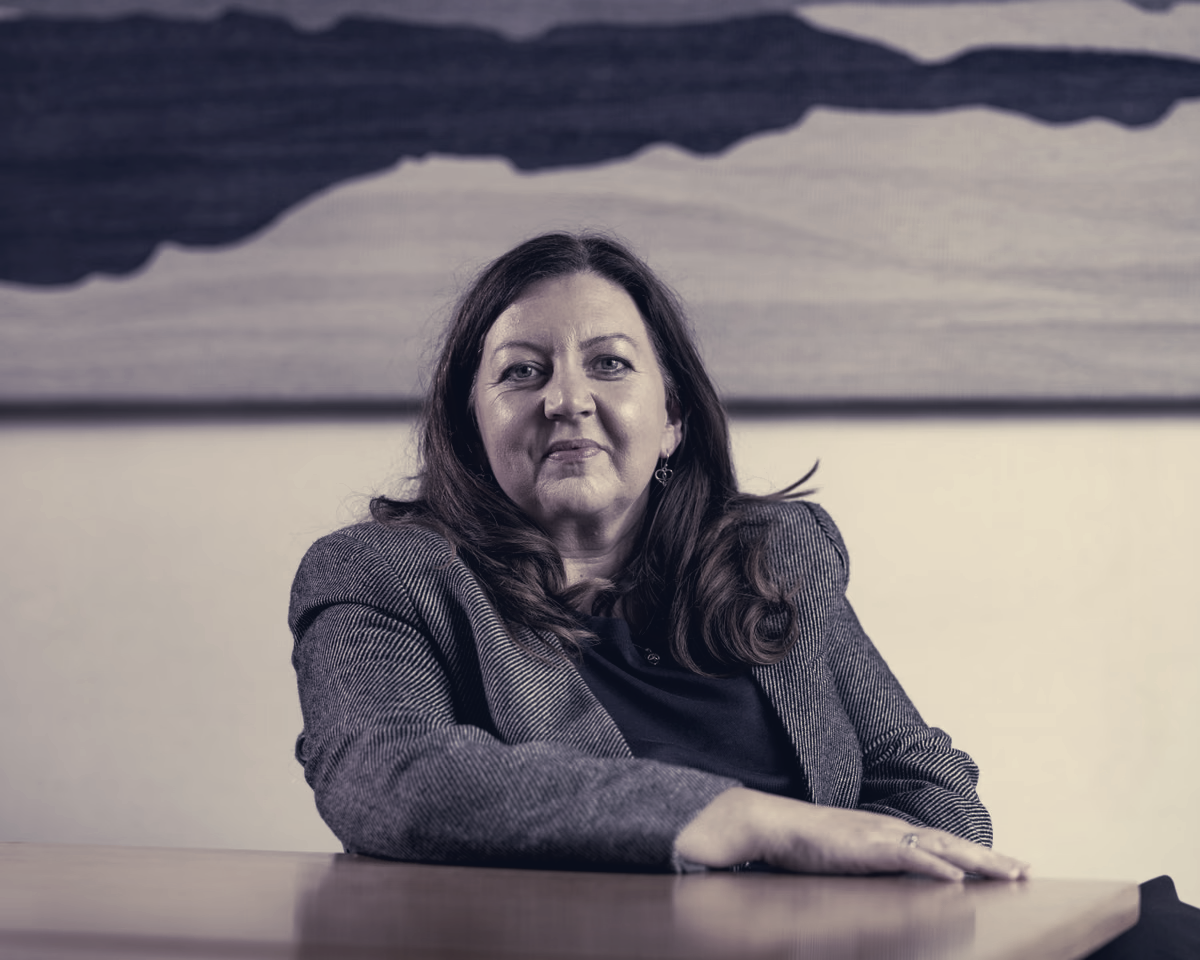
Kirsty McNeill told charities and campaigners she wants the UK to work back towards spending 0.7% of national income on overseas aid, but declined to set a timetable, saying the government will act “when fiscal circumstances allow.” She said she remains “a huge believer in aid” and argued that more spending would allow the UK to increase its impact on health, food and climate crises.
McNeill, a former adviser to Gordon Brown and a senior executive at Save the Children, said she will press for better value from a constrained aid budget. She used the phrase “sweat the asset” to describe plans to extract more impact from existing resources and said public concerns hinge on effectiveness and value for money.
At a speech to be delivered at the New Economics Foundation thinktank, McNeill will announce up to £15m from the government’s humanitarian crisis fund to support preventive measures in countries at greatest risk from El Niño. She said the money would fund practical interventions such as vaccinating livestock and providing cash to farmers, and flagged the UN’s warning that the forthcoming El Niño could be the most severe in 1,000 years.
McNeill framed her brief as one of global cooperation and security, outlining five priorities she called the “five securities”: health security, climate security, food security, human security and economic security. She said she will deploy the Foreign, Commonwealth and Development Office’s expertise to pursue those goals, including reforming some international bodies that receive UK aid and forming “bespoke partnerships” to tackle specific problems.
Her remarks revisited a contested recent period for UK aid. The 0.7% target, adopted under Tony Blair and long treated as a cross‑party commitment, was set aside by Rishi Sunak at the height of the Covid pandemic. Charities have warned that further reductions, which took spending to 0.3% of national income, have driven sharp falls in bilateral support to the poorest countries.
McNeill, who became the MP for Midlothian in 2024 after taking the seat from the Scottish National Party, said Labour’s leadership remains committed to the manifesto promise to restore the target. She also indicated the foreign secretary, Ed Miliband, intends to make development and climate central to the FCDO’s work, including by directly taking up the UK’s seat on the World Bank board.
What happens next is a period of policy and political work: McNeill will set out priorities publicly at the New Economics Foundation, allocate short‑term funding to mitigate El Niño risks, and signal plans to press international partners and institutions for reforms intended to increase the leverage and effectiveness of UK aid.