
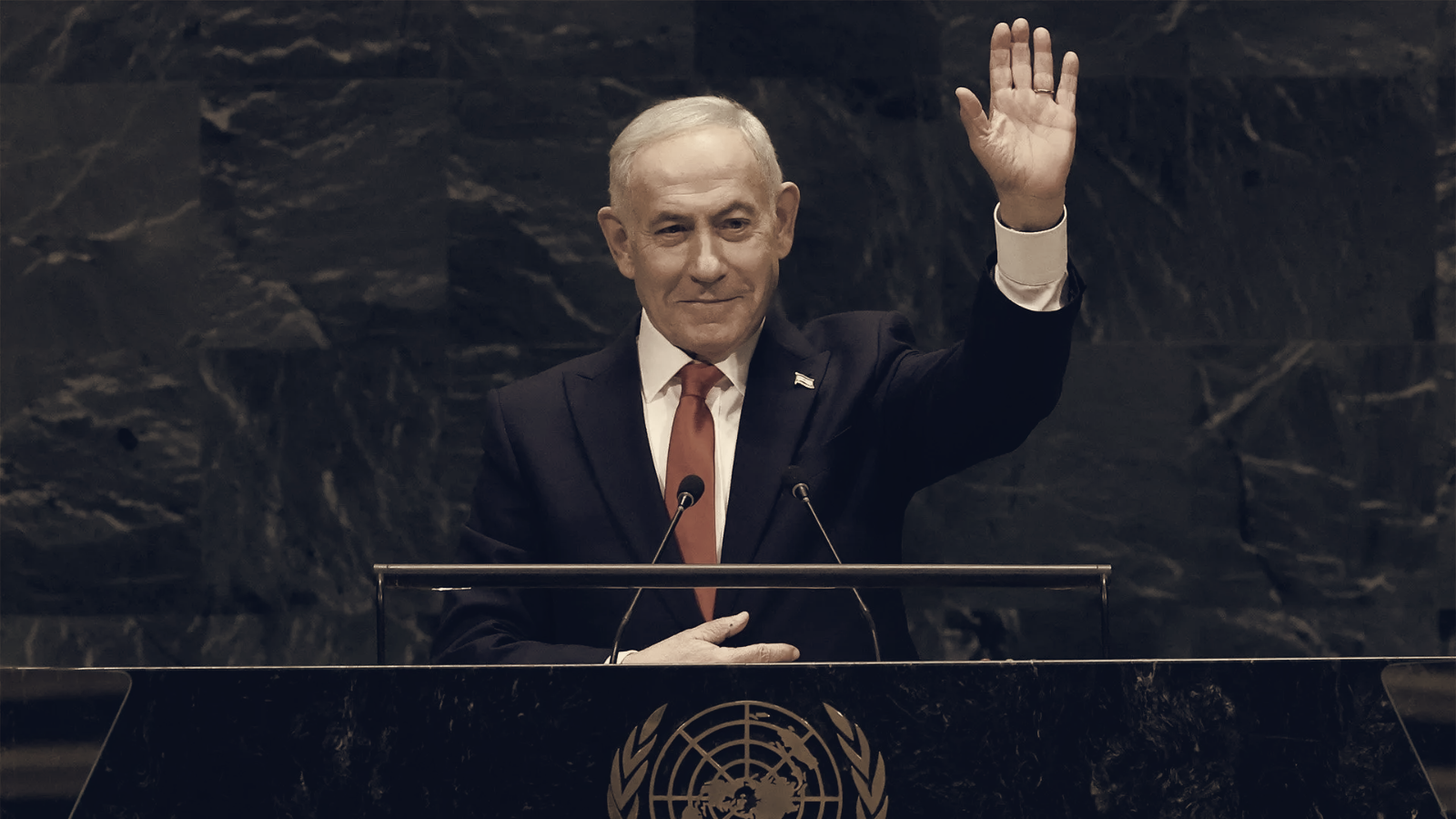
The language used by Israel's prime minister at the United Nations reframed how violence in the occupied West Bank will be discussed publicly. Benjamin Netanyahu described those responsible as "juvenile delinquents," characterising the incidents in terms that suggest isolated misbehaviour rather than organised or systemic campaigns.
That choice of words matters because political leaders set the terms for accountability. Describing attackers as juvenile delinquents lowers the rhetorical temperature around the incidents and narrows the range of policy responses that appear proportionate. When violence is cast as delinquency, it invites different policing and prosecutorial approaches than when it is presented as politically motivated or coordinated.
The remark also changes the political calculus inside Israel. A prime ministerial framing that emphasises individual mischief over broader patterns shifts public attention away from structural questions about settlement activity and state oversight. It places emphasis on law-and-order fixes aimed at individuals rather than on policy measures that would address underlying tensions in the occupied territory.
For international actors and diplomatic interlocutors, the distinction is consequential. Language shapes the thresholds for calls to investigate, to condemn, or to press for remedial steps. A portrayal of the incidents as sporadic juvenile acts reduces the immediacy of such demands, even as victims and observers press for clarity on who is responsible and what will change to prevent further harm.
Netanyahu's choice of words at the UN sets a public line that critics and supporters will measure against later statements and actions. The effect will depend on whether subsequent government responses follow a narrow, individualised approach or acknowledge broader patterns that require institutional remedies. Absent further detail, the comment leaves open whether the issue will be treated as isolated misconduct or as part of a wider problem demanding a different political response.