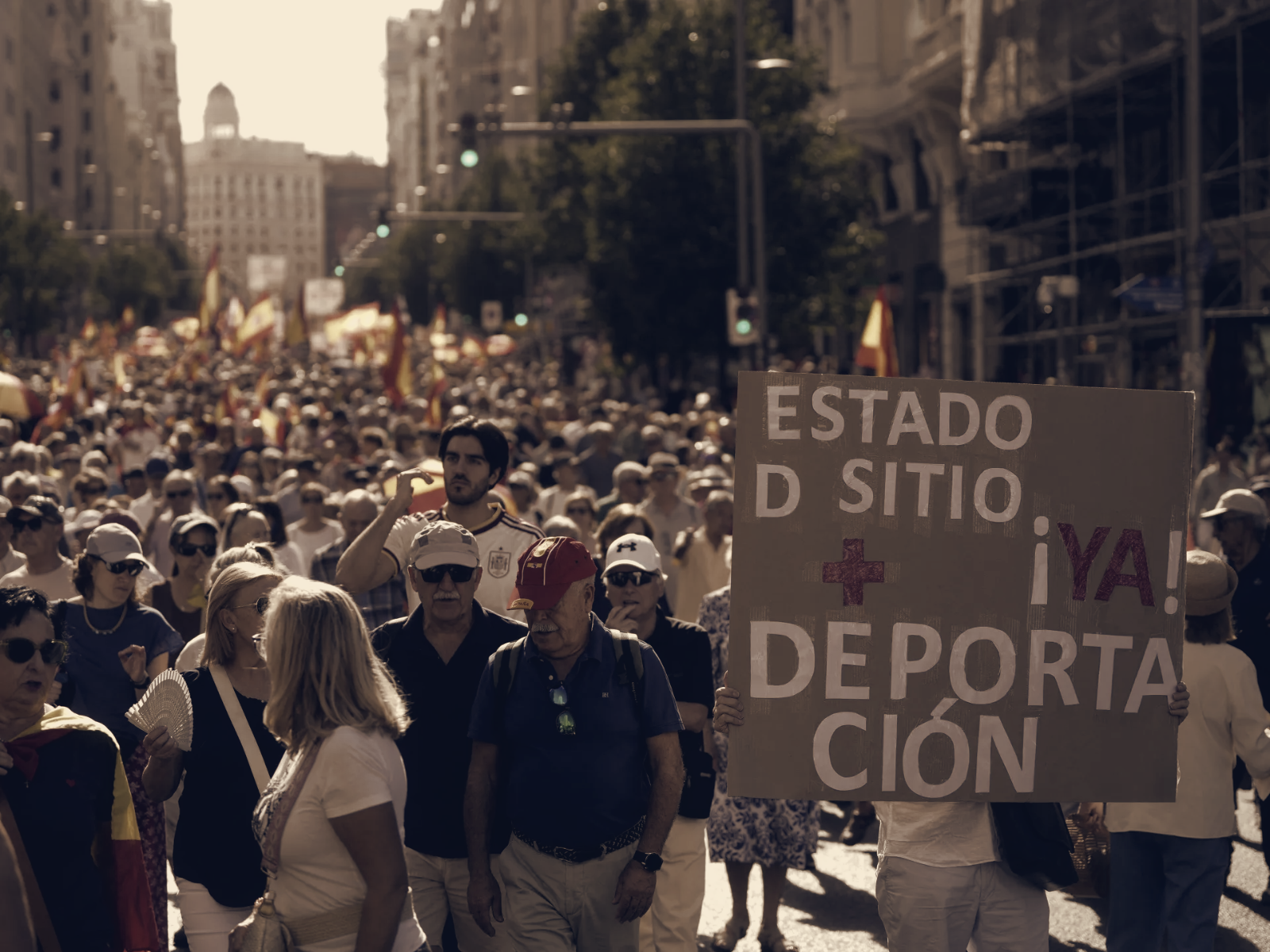
Pedro Sanchez's government now confronts a visible surge of political pressure after a large right-wing demonstration centred on the Ceuta migrant crisis. Organisers attracted what local reports described as tens of thousands of participants, who used the rally to demand early national elections and to publicly fault the administration for its handling of the situation.
Protesters singled out the government for alleged negligence and called for a change of course through an immediate ballot. Those two demands, mobilisation at scale and a clear political ask, shift the incident from a single-issue dispute into a potential lever for broader opposition activity.
The size of the turnout matters because it supplies opponents with a concrete example to cite when questioning the government's competence on migration. Demonstrations framed around a specific crisis can compress multiple grievances into a simple political message, increasing the likelihood that migration will remain a salience issue in public debate.
For the administration, the immediate task is reputational containment. How the government responds—whether by addressing the demonstrators' claims, adjusting policy, or seeking to blunt momentum through communication—will determine whether the protest becomes a transient event or the start of sustained political pressure.
What comes next will depend on responses from political rivals, media coverage and the government's own actions. If critics amplify the rally's messaging, and if public concern persists, the event could raise the stakes for Sánchez ahead of any future electoral cycle. Observers will be watching whether the demands for early elections translate into organized political campaigns that extend beyond street mobilisation.