
DR Congo’s Ebola response risks collapsing unless roughly 5,000 additional trained health workers are recruited and funded, the World Health Organization warned. The agency says staffing shortfalls and limited international partners threaten the country’s ability to staff thousands of treatment beds as the outbreak moves across provinces.
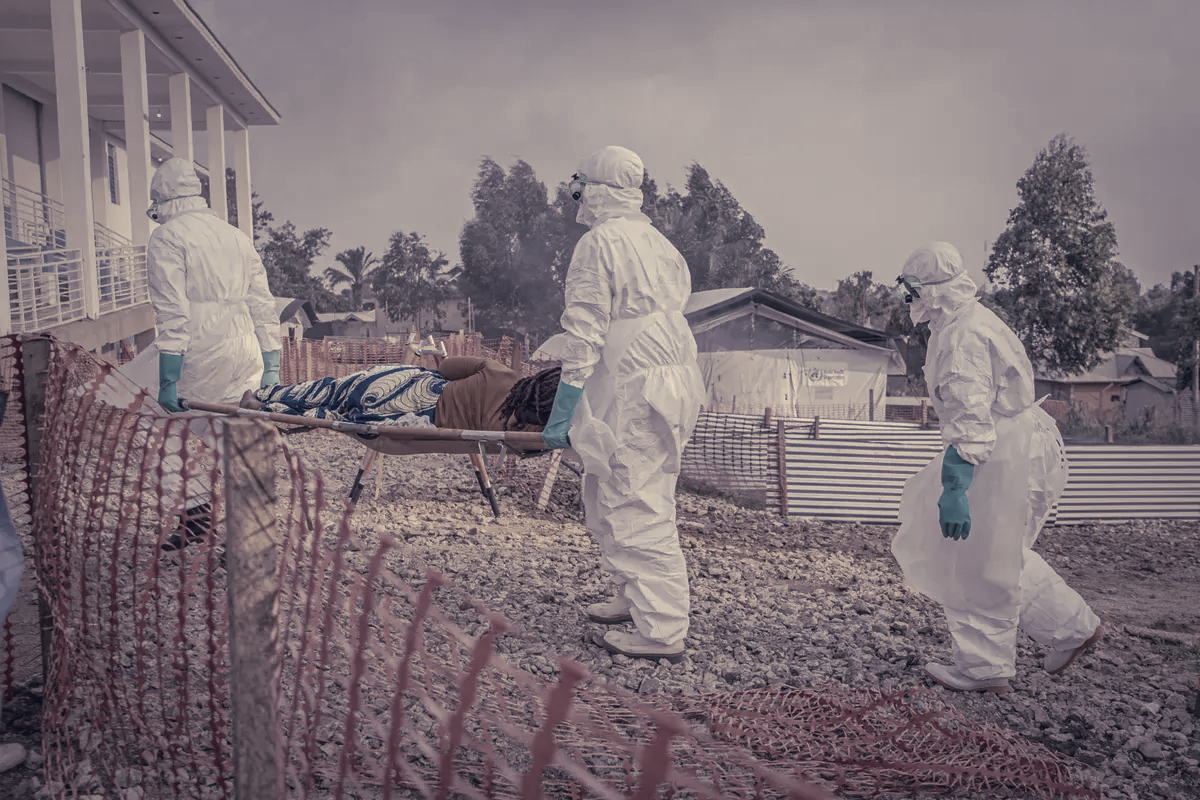
The outbreak began in the eastern city of Bunia and has now reached six provinces, prompting health authorities to shift to a more decentralised strategy that places treatment centres closer to newly affected communities. WHO officials report that teams have established about 1,400 treatment beds across 59 centres in a rapid expansion, but another 1,600 beds are still required to meet needs on the ground.
WHO technical officer Luca Fontana set out the arithmetic behind the gap, saying the response needs roughly three health workers per Ebola bed. At a planned capacity of 3,000 beds, that translates to about 9,000 staff, meaning the recruitment and training of roughly 5,000 additional health workers is required to reach operational targets.
Compounding the staffing shortfall is a narrow pool of international organisations able to run Ebola treatment centres, Fontana said, noting that only five or six major organisations currently have that capacity. Reduced global donor funding has limited the number of groups available to open new centres, and without more partners, experienced teams risk being tied down running existing facilities instead of moving into new hotspots.
WHO is pressing donors to accelerate funding for the government-led response plan, which calls for $1.3 billion over the next six months. The agency also highlighted the virology challenge: the outbreak is driven by the Bundibugyo species of Ebola, for which there is no approved vaccine targeted specifically at that strain. WHO has advised that the Ervebo vaccine be used against Bundibugyo only within a research protocol while scientists determine its effectiveness.
The scale and geographic spread of this outbreak have already surpassed Congo’s previous record, with the cumulative toll exceeding the 2,299 deaths recorded during the 2018-2020 epidemic. WHO officials warned that as the response decentralises and the epidemic expands, the government’s capacity to take on centres could be stretched still further, making rapid donor support and faster recruitment the immediate priorities.