
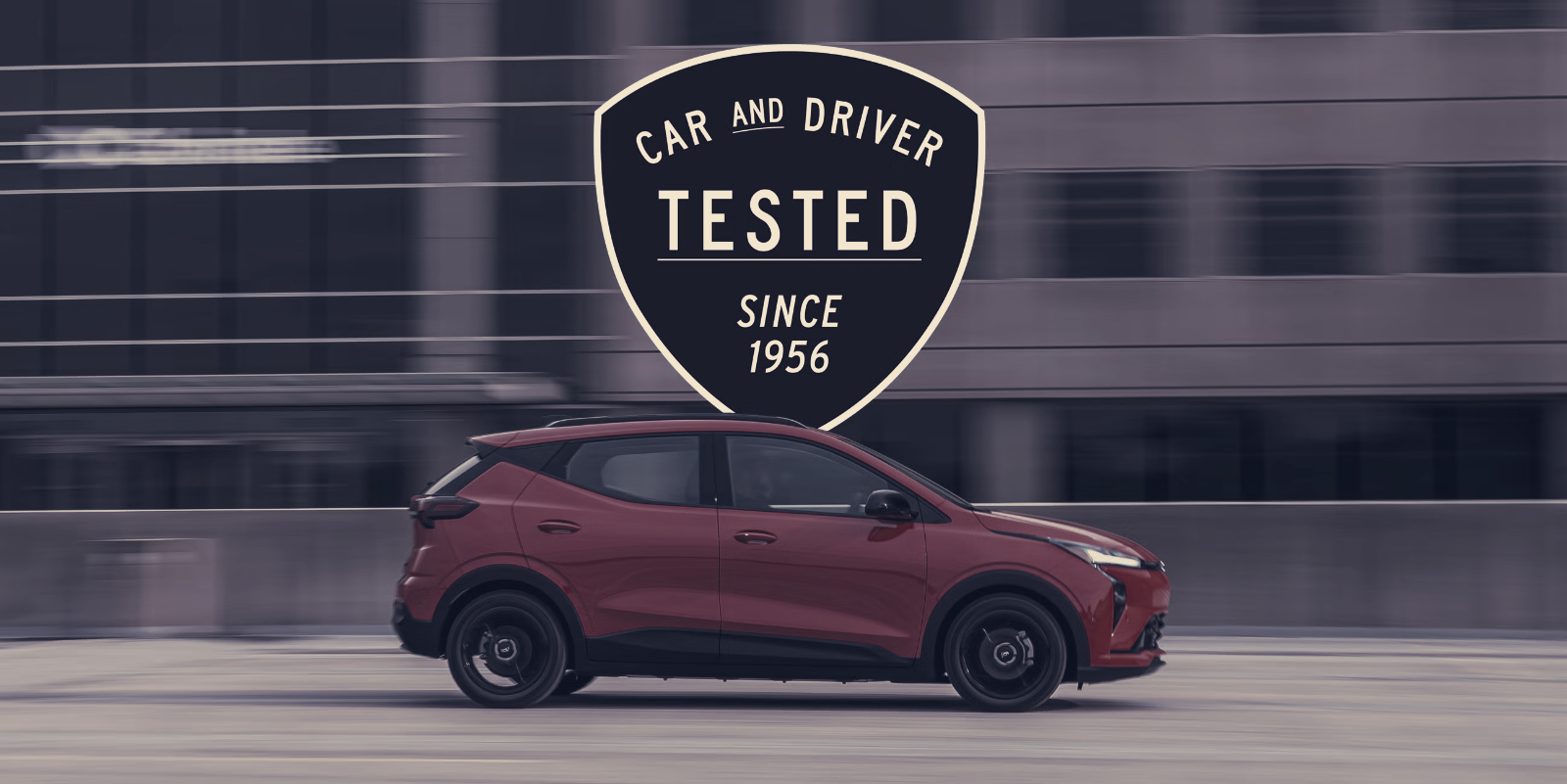
Charging performance is the clear change: the 2027 Chevrolet Bolt requires far less time to reach a high state of charge, shifting the model from a commuter-only option toward something usable for longer drives. Under a standard 10-90 percent fast-charge protocol, the previous 2022 Bolt EUV needed 83 minutes to add 56.7 kilowatt-hours, averaging 41 kW and peaking at 57 kW. The new 2027 Bolt completed the same test in 38 minutes, adding 59.2 kWh while averaging 94 kW and reaching a 148 kW peak.
The Story in Pictures
The faster hardware delivers concrete gains on the road. Using a 75 mph range benchmark, the older EUV required 23 minutes to add roughly 50 miles of highway range, 44 minutes for 100 miles and 82 minutes for 150 miles. The 2027 Bolt shortens those stops to eight minutes for 50 miles, 17 minutes for 100 miles and 29 minutes for 150 miles. The newer model also extends real-world range in that test to 230 miles, up from the prior 190-mile result.
Chevrolet attributes the speed improvement to a change in battery chemistry. The earlier pack used a nickel-manganese-cobalt blend, while the 2027 Bolt employs lithium-iron-phosphate cells. The company says the LFP packs are less expensive to produce, and testing shows the change also cut charging time by about 54 percent on the 10-90 protocol.
The Bolt’s charging hardware evolved too, shifting from a CCS-type inlet to NACS, Tesla’s proprietary connector that provides access to the Supercharger network. That connector change expands the number of fast-charging locations compatible with the small Chevrolet.
Chevy paused the Bolt EV and EUV in 2023 and has reintroduced the model as a larger, EUV-shaped vehicle. The relaunch will be limited in scope, with the company calling the revived Bolt a limited-run model, which has been read to mean it will span a single model year. Priced to start under $30,000, the refreshed Bolt aims to remain an entry-level EV while addressing the biggest shortcoming of the previous generation: slow charging.
What comes next is availability and consumer response. Faster charging and longer range improve the Bolt’s appeal for buyers who need occasional longer trips, but the limited-run production means interested shoppers may need to move quickly.