
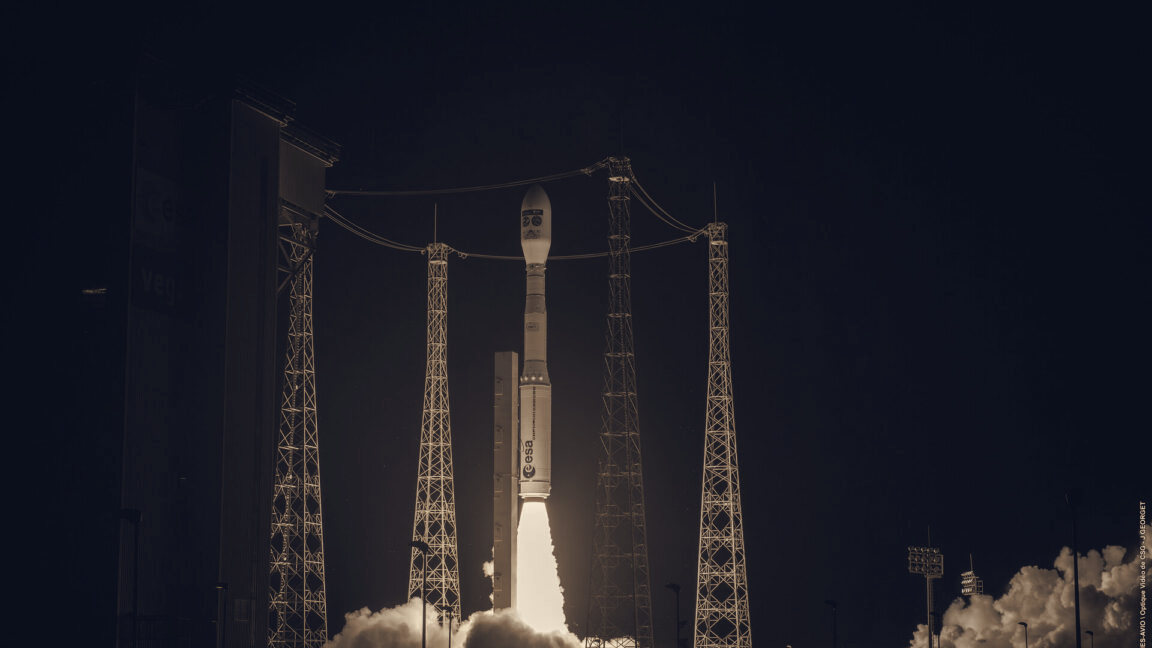
Avio CEO Giulio Ranzo told investors on the company’s September 10 earnings call that the firm is receiving an influx of customers who were unable to secure launch opportunities with SpaceX. “I can tell you SpaceX has already gone captive,” Ranzo said, attributing the flow of clients to SpaceX’s recent decision to stop taking new commercial Falcon 9 orders.
The change arrives as legacy players also face pressure. A recent deep dive into United Launch Alliance documented how the company once dominant in the US market has lost ground over the past decade, and observers note ULA remains tied to expendable rockets even as the industry pivots to higher flight rates and reusability.
For satellite operators, the immediate effect is practical: firms that cannot find Falcon 9 slots are looking elsewhere, and Avio is one of the providers benefiting. Ranzo framed the demand as direct customer inquiries, saying multiple companies have approached Avio asking for launch opportunities that SpaceX no longer offered.
What happens next is a capacity and execution test for alternative launchers. Avio will need to convert incoming demand into schedules and successful flights if it is to secure that business long term. Meanwhile, ULA’s positioning and SpaceX’s capacity choices will continue to reshape who wins in a market where a single supplier pausing commercial sales shifts demand across the industry.