
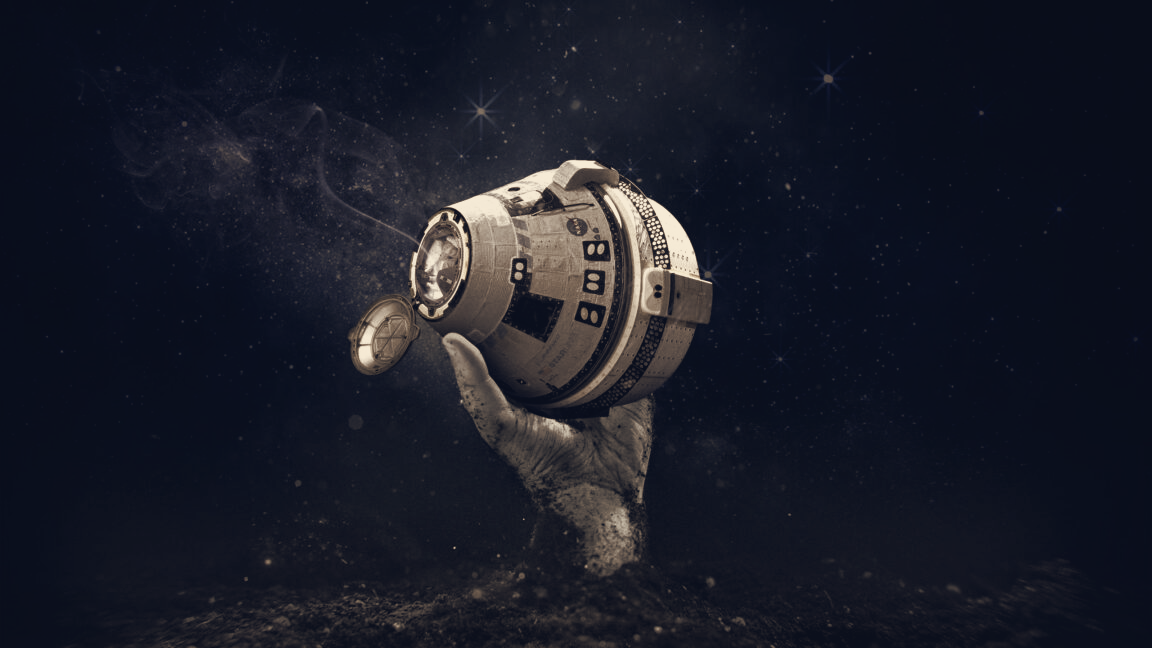
NASA will expand Boeing's role in ferrying astronauts by ordering two additional crewed Starliner missions, while also underwriting some thruster repairs and aiding certification for a new launch vehicle. The moves are intended to keep Starliner viable after the Atlas V rocket used early in the program retires, and to preserve crew-transport options as other providers shift their fleets.
Multiple sources say the agency could make the announcement as early as next week. The package will include a direct order for two crewed flights, financial support to address Starliner thruster problems, and technical or regulatory help to qualify the spacecraft for launch on a replacement rocket once Atlas V leaves service.
The decision follows recent discussions in which SpaceX signaled plans to retire its Crew Dragon spacecraft by 2030, if not sooner. Crew Dragon remains the only operational vehicle NASA has for routine astronaut missions to low-Earth orbit, a reality the agency is treating as a vulnerability as commercial fleets and launchers evolve.
Boeing's Starliner arrives at this moment with a checkered flight history, and the spacecraft has required troubleshooting since its development. By committing to additional flights and sharing in repair costs, NASA is effectively betting on Starliner as a continuing redundant path to orbit rather than leaving routine access concentrated with a single provider.
The certification support for a new rocket responds to an anticipated end of Atlas V availability. Transitioning Starliner to another launcher will require vehicle compatibility work and regulatory approvals, areas where agency assistance can accelerate qualification and reduce the program risk to Boeing.
What happens next is procedural: NASA is expected to formalise the order and outline the scope of its financial and technical support. The steps will extend Boeing's operational window and keep an alternative crew vehicle in play as SpaceX phases Crew Dragon toward retirement, preserving a multi-provider landscape for U.S. crewed access to low-Earth orbit.