Teams can now use a simple handheld XRF scanner to single out which Herculaneum scrolls are most likely to contain writing, a development that lets researchers prioritise fragile rolls for noninvasive analysis. The screening method was validated by scientists who built modern papyrus models, charred them to mirror the originals and used the results to test whether lead-based ink could be detected reliably. The work appears in PLoS ONE.
The project links to the broader Vesuvius Challenge, which combines computational 'digital unwrapping' with crowdsourced machine learning to read the carbonised papyri salvaged from Herculaneum. Because many of the more than 600 rolled scrolls recovered from a single room are too brittle to open physically, teams have relied on imaging and algorithms to reveal hidden text without unrolling the material. Identifying which rolls actually carry ink is a key bottleneck in deciding where to deploy those costly and time-consuming techniques.
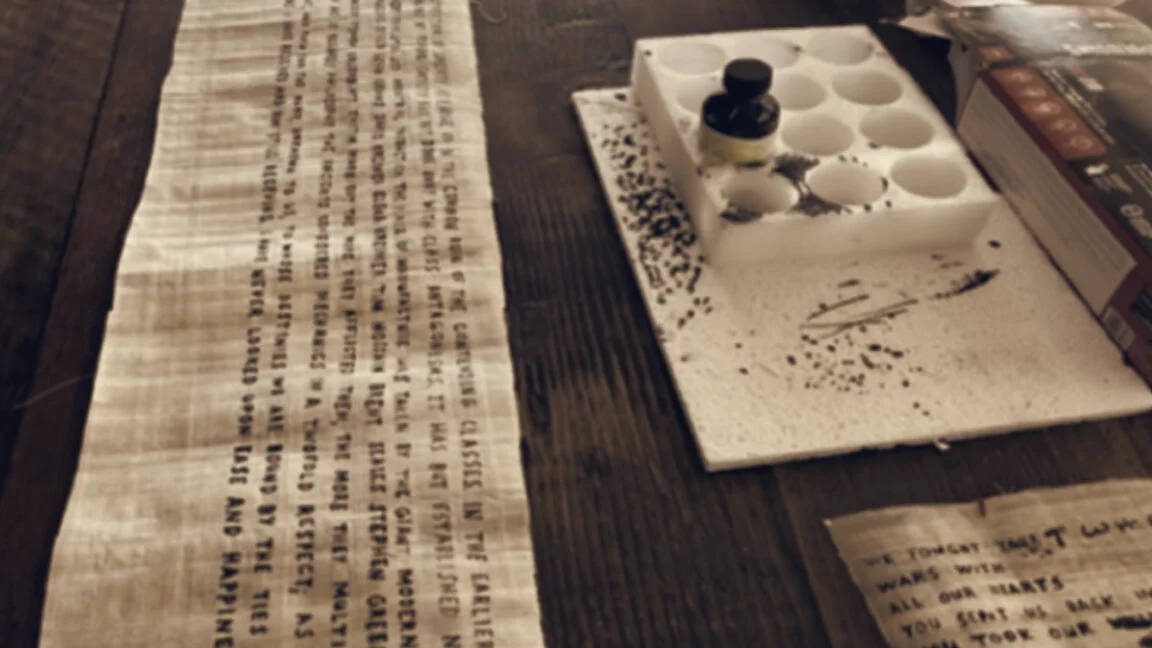
To test their screening approach, the researchers produced contemporary papyrus scrolls and deliberately charred them to simulate the damage inflicted by the 79 AD eruption of Mount Vesuvius. The experimental replicas let the team determine whether lead-based inks could still be detected after burning. When the method worked on the mock scrolls, the researchers applied the same screening logic to the collection of Herculaneum rolls, flagging those that are promising candidates for further imaging and digital unwrapping.
The background is stark: alongside Pompeii, Herculaneum was overwhelmed by pyroclastic pulses and flows in 79 AD, and a palatial residence thought to have belonged to a man named Piso yielded a buried library. Excavations in the 1700s recovered the carbonised scrolls from what scholars believe was the working library of the Epicurean philosopher Philodemus. A handful of opened fragments already identified texts in Greek, including On Nature by Epicurus and works by Philodemus, plus some Latin pieces, but most rolls have remained unreadable because of their fragility.
Practically, a screening tool that runs on handheld equipment gives teams a fast, low-risk way to triage the archive, reserving intensive imaging and computational efforts for the rolls most likely to contain legible ink. That should let the Vesuvius Challenge and allied efforts focus resources and accelerate the campaign to recover texts from the Philodemus library. Further work will still be required to image, unwrap virtually and decipher any writing once promising scrolls are identified.