
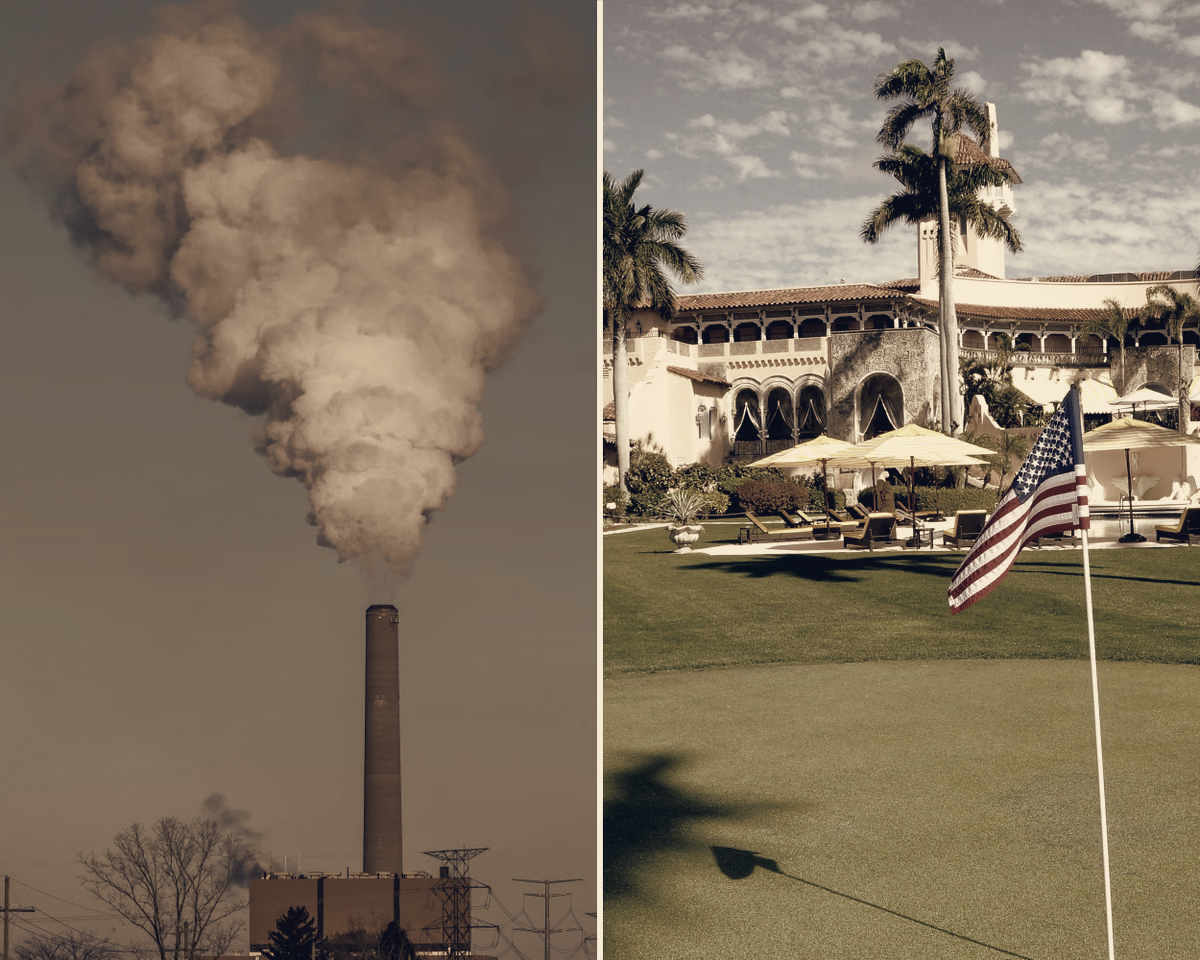
American households will pay more for energy and pollution impacts after fossil fuel companies won an estimated $190bn in tax breaks and subsidies over the next decade, a Senate report released by Senators Sheldon Whitehouse and Chuck Schumer says.
The document argues the payments followed President Donald Trump’s April 2024 fundraiser at Mar-a-Lago, where he sought $1bn in campaign contributions from industry executives. The report quotes its findings, saying, "Big oil delivered in the hundreds of millions," and contends the administration returned the favour with regulatory rollbacks and fiscal benefits that increase polluters’ bottom lines.
Lawmakers behind the report calculate the $190bn figure from existing tax preferences and subsidies plus new advantages in the One Big Beautiful Bill Act, citing an analysis by Senator Bernie Sanders tied to his proposed legislation with Congresswoman Ilhan Omar. The senators say the fossil-fuel sector also invested at least $201m in the president’s re-election campaign and $19m in his inaugural fund, which the report calls the industry’s largest political outlay.
Among the policies highlighted, the report notes a $1bn direct subsidy fund created under the Defense Production Act to support fossil fuel projects, and a permanent 20% business income deduction for oil and gas companies it says will cost the government an estimated $737bn. It also points to rollbacks including the repeal of federal vehicle greenhouse gas standards and weakened emissions rules for power plants and oil and gas facilities.
The report contrasts the administration’s estimate that regulatory changes would save Americans $1.3tn with an EPA estimate it cites of $1.5tn in extra fuel, repair and maintenance costs for consumers. Separately, it records an EPA projection that the vehicle standards repeal will add at least $580bn in fuel costs over the next three decades, a measure the report calls possibly the "single largest payback" to the industry.
Senators further document the administration’s appointments of 26 senior officials who previously worked for oil, gas, chemical or other polluting industries across agencies from the Environmental Protection Agency to the departments of energy and interior. They accuse the administration of exempting more than 180 polluting facilities from certain Clean Air Act requirements designed to curb emissions of known neurotoxins and carcinogens.
The report also flags government payments of $1.8bn to cancel wind projects, noting that as of May more than 160 proposed projects on private land were frozen. Those projects represent approximately 30 gigawatts of capacity, $54bn in capital investment and enough electricity to supply more than 8.5m homes. The report quotes the president’s earlier pledge, "My goal is to not let any windmill be built."
Finally, the senators say environmental enforcement has weakened, with the Justice Department bringing 76% fewer civil environmental enforcement cases than in Joe Biden’s first year and 81% fewer than during Trump’s first term. The report adds that the administration’s limited cooperation with congressional oversight "complicated" the investigation. It frames the package of fiscal and regulatory changes as a transfer of costs and risks from industry to the American public.