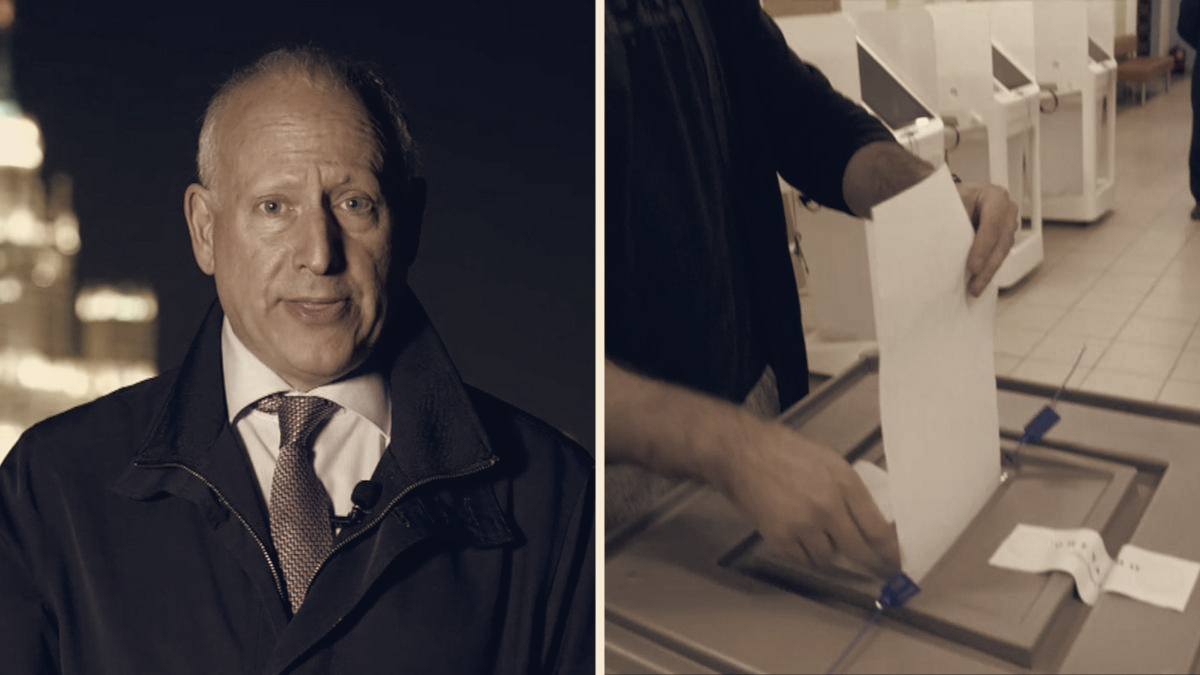
Preliminary results indicate United Russia is on course to retain a constitutional majority in parliament, preserving the dominance of the party backed by President Vladimir Putin and keeping legislative power aligned with the Kremlin.
Russia editor Steve Rosenberg described the outcome as "no surprise" as tallies from across the country emerged. The early returns signal continuity rather than change in the composition of the Duma, with United Russia positioned to hold the seats necessary to maintain its constitutional threshold.
The vote took place after more than four and a half years of war against Ukraine. That conflict has inflicted huge battlefield losses on the Russian army and sparked economic hardship at home, background conditions that framed the election and the choices available to voters.
Political space for organised anti-war voices was narrowed before polling day. The only anti-war party, Yabloko, was removed from the ballot in the run-up to polling day, although some candidates affiliated with it remained on ballots in some constituencies. That exclusion reduced the formal presence of an organised parliamentary anti-war option during the campaign and in preliminary returns.
With results still preliminary, official final tallies will confirm whether the early picture holds. If the current trajectory is maintained, the outcome secures the legislative status quo and limits the scope for significant opposition influence in the next parliamentary term. Observers and domestic actors will therefore watch the certification process and seat allocations to see whether any shifts emerge as votes are finalised.