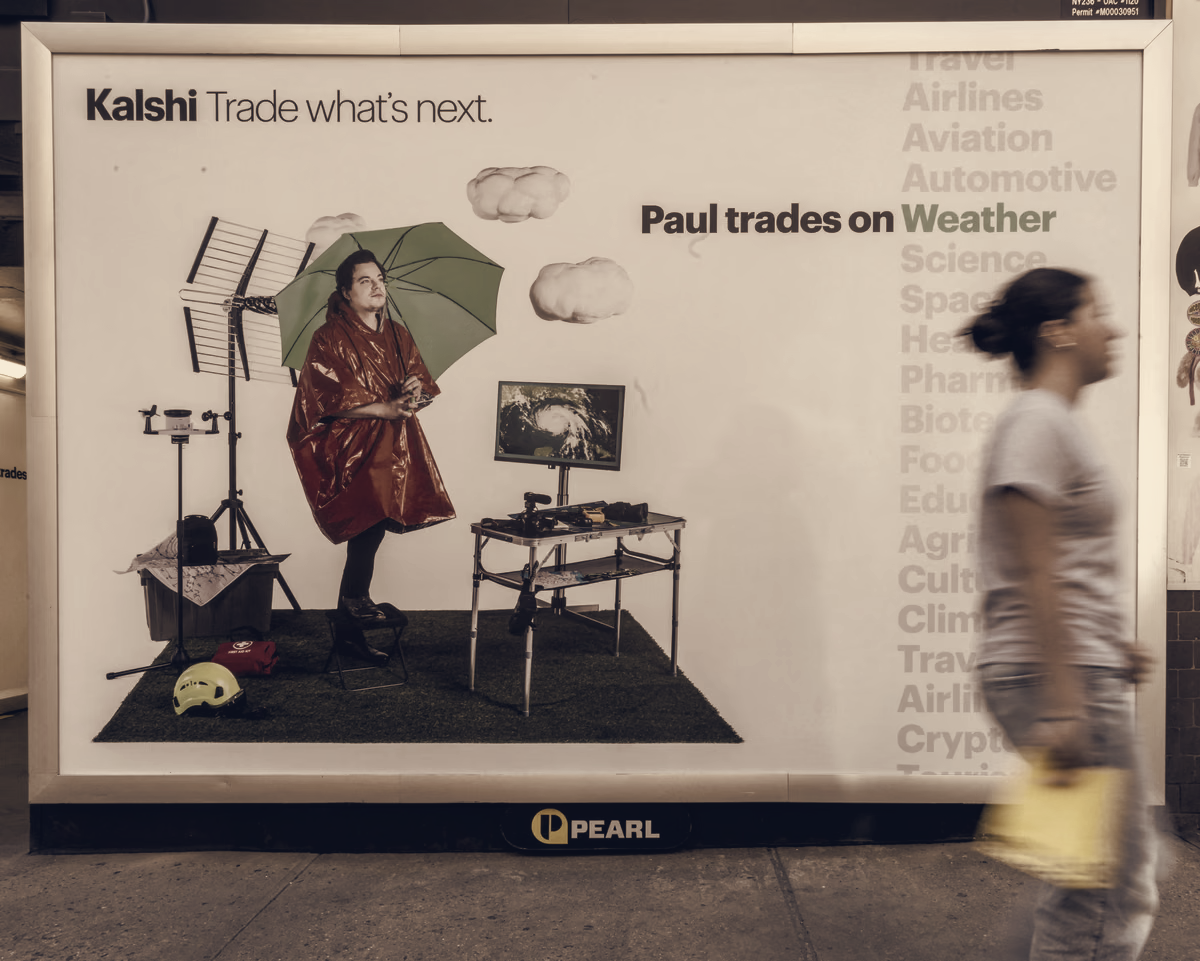
Prediction markets are shifting money and attention into climate outcomes, and that change is already provoking ethical and technical pushback. Kalshi says weather and climate wagers grew 500% in the past year, taking the market to $1.1bn, and the firm is partnering with the Weather Company, which owns the Weather Channel, to bolster its climate offerings.
The Story in Pictures
The move has expanded an established betting model beyond sport and crypto into questions about how hot it will get, where floods will hit and how many extreme-weather disasters will occur. Companies such as Polymarket are also active in this space. But the presence of cash markets tied to disasters has alarmed scientists and campaigners who say such markets can trivialise human suffering and create perverse incentives.
Concern sharpened after large wagers were placed on the Los Angeles fires in 2025, bets that platforms now say they have banned. Kalshi and Polymarket have emphasised restrictions on certain event types, while Kalshi told the reporter it sees itself as part of "well-calibrated forecasting data," framing trading as a form of collective forecasting rather than gambling on harm.
Some climate scientists reject that reassurance. Kaitlyn Trudeau of the non-profit Climate Central said, "I find it depressing because it’s distracting us from what we should be focusing on." She added, "I’m not against prediction markets in general but we need to be clear about the downsides," and warned, "They aren’t going to reduce the risks of climate change or solve climate change." Her remarks followed personal alarm after family homes were lost in those fires.
Those ethical questions arrive alongside genuine scientific uncertainty about the century ahead. The United Nations has conceded that the international target to keep warming to 1.5C above pre-industrial levels is now effectively trashed. At the same time the scenario called RCP8.5, once seen as the default worst case, is now judged unlikely because of the advance of clean energy.
Researchers also warn of natural feedbacks, such as thawing permafrost and large wildfires, that could boost planet-heating emissions from non-human sources by as much as 30%, a recent study found, potentially adding as much as 0.4C to global temperature. That mix of deep uncertainty and high stakes frames the debate over whether markets can meaningfully contribute to forecasting climate risk, or whether they simply monetise and desensitise public anxiety about a hotter, more dangerous world.